Beyond Phone Numbers: Building Agentic WhatsApp Bots with Next.js 16 and Cloud API v20
Why the 2026 shift to BSUIDs and Next.js 16’s Turbopack changes everything for conversational AI.
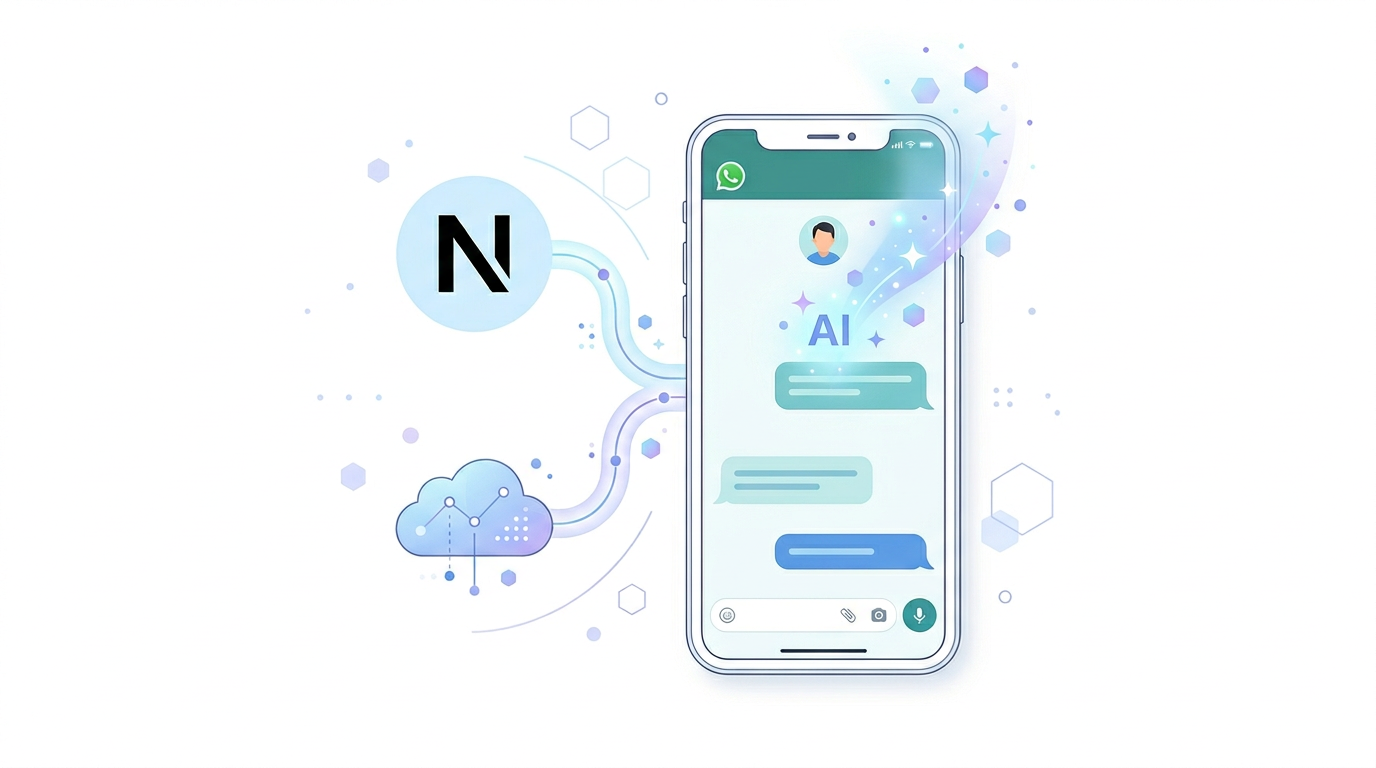
It is 3:00 AM, and your legacy WhatsApp On-Premises container has just thrown a fatal error. You check the logs, only to realize that the API version you were relying on was officially retired months ago in the great October 2025 migration. Even worse, your CRM is failing to map incoming messages because a user contacted you via their new WhatsApp Username, and your database—which was hardcoded to expect a 12-digit phone number—is choking on a 32-character alphanumeric string.
Welcome to development in March 2026. The "Phone Number" is no longer the primary key of the mobile web. With the mandatory shift to the WhatsApp Cloud API and the global rollout of Business-Scoped User IDs (BSUID), the architecture of conversational commerce has fundamentally shifted. We are no longer building simple "if-this-then-that" bots; we are building autonomous agents that live within the world’s most popular messaging app.
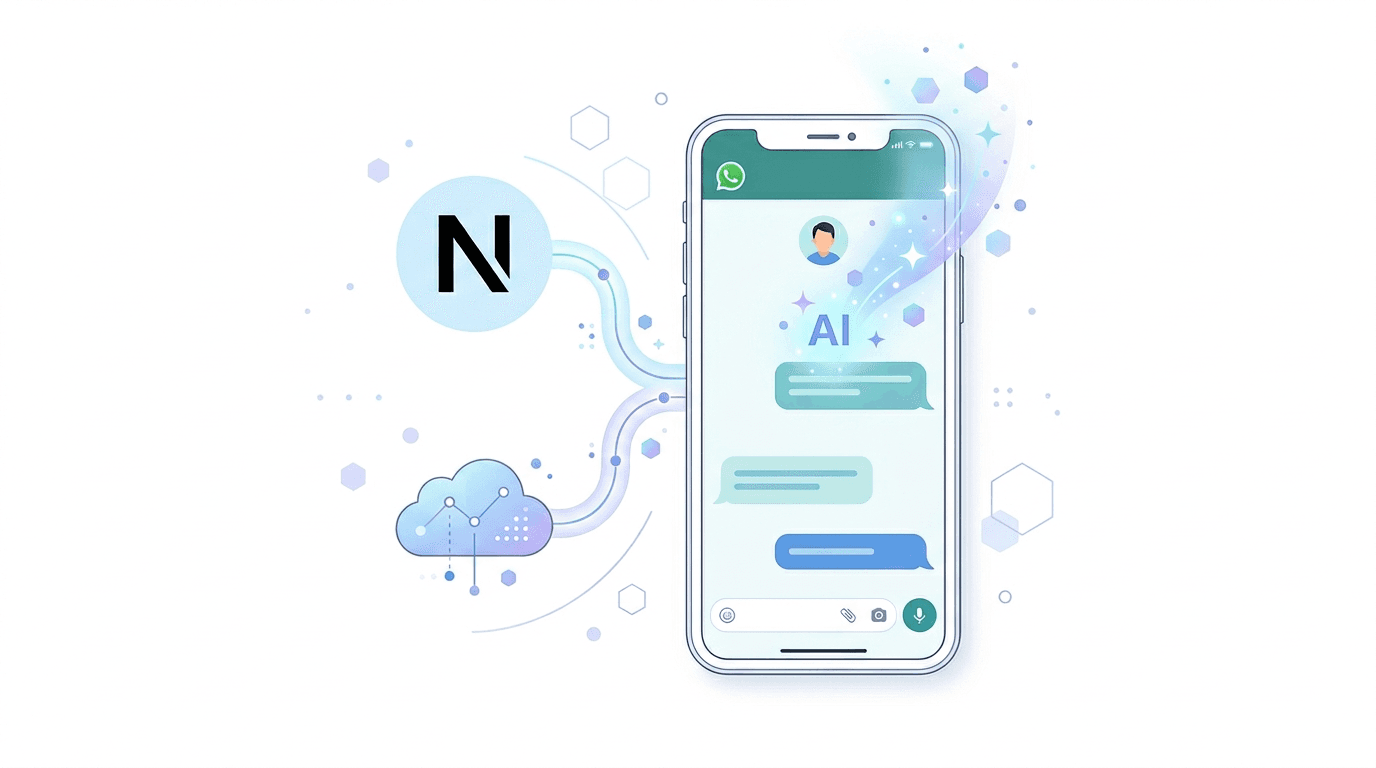
In this guide, we will navigate the 2026 landscape of WhatsApp development. We will build a production-ready, agentic chatbot using the stable Next.js 16.2 stack, leveraging Turbopack for near-instant builds and the Vercel AI SDK v4 for multi-model intelligence that can gracefully failover between GPT-4.1 and Claude 3.7.
Section 1: The 2026 WhatsApp Landscape: What Changed?
If you haven't touched the WhatsApp Business API since early 2025, the landscape will look unrecognizable. The most jarring change is the On-Premises API Retirement. As of October 23, 2025, Meta officially pulled the plug on self-hosted Docker containers for WhatsApp. Every chatbot on the planet now runs on the WhatsApp Cloud API, hosted directly by Meta.
This shift wasn't just about hosting; it was about identity. Following the June 2026 rollout of WhatsApp Usernames, users gained the ability to hide their phone numbers from businesses entirely. This birthed the BSUID Era.
The Shift from Phone Numbers to BSUIDs
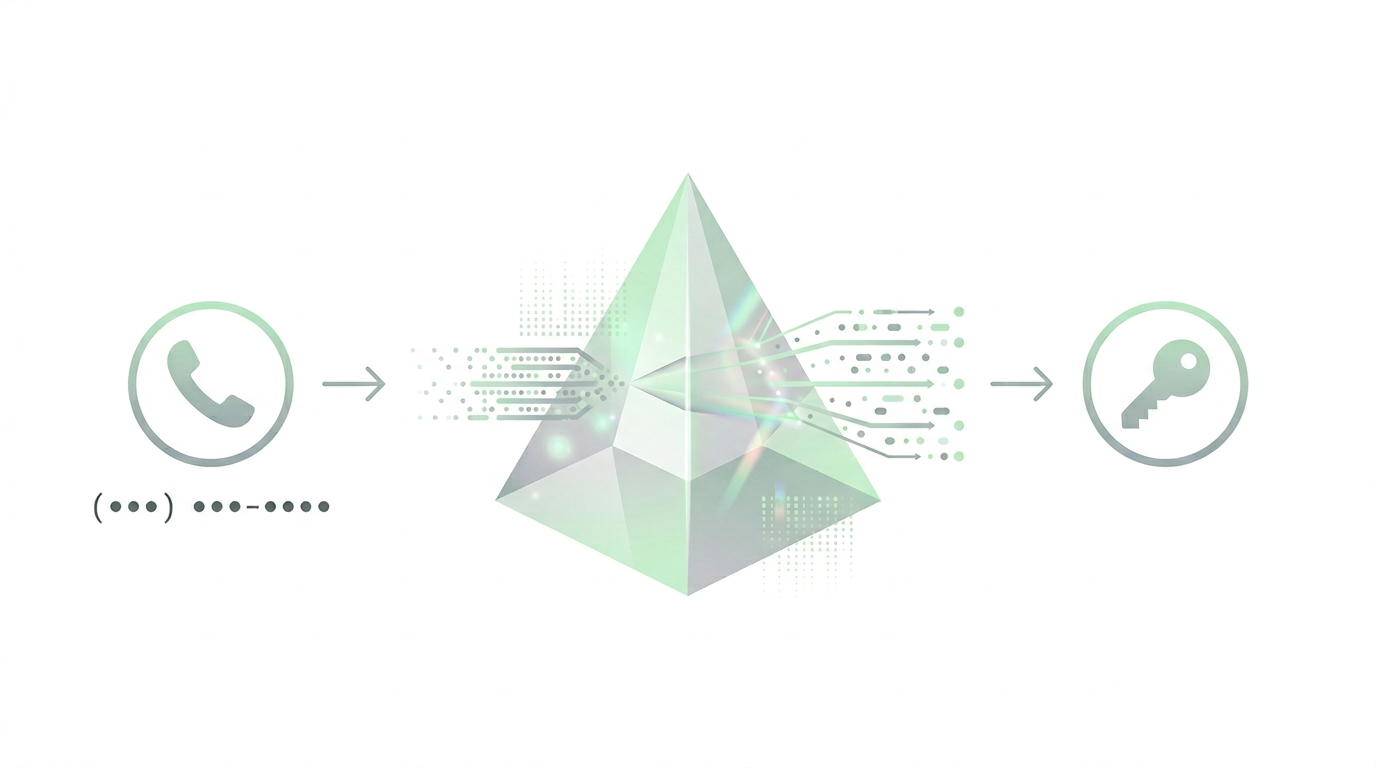
In the past, you identified a user by their phone number (wa_id). Today, Meta provides a Business-Scoped User ID (BSUID). Think of this like an OAuth sub claim or an app-specific ID in Apple’s ecosystem. It allows the user to interact with your brand without revealing their global identity.
The Analogy: Transitioning from phone numbers to BSUIDs is like a hospital moving from using Social Security Numbers to unique, internal Patient IDs. It’s a privacy-first evolution that breaks legacy systems but protects the individual from tracking across different, unrelated businesses.
The Death of Messaging Tiers
One of the most celebrated updates of early 2026 was the removal of the 2K and 10K messaging tiers. Previously, developers had to "warm up" their numbers to send more messages. Meta has now set a 100K daily messaging limit as the baseline for all verified businesses. This democratization of scale means you can go from prototype to a national campaign overnight without begging for a limit increase.
Section 2: The Modern Stack: Next.js 16.2 and React 19
Building a chatbot "brain" requires a framework that can handle high-concurrency webhooks with zero latency. In 2026, Next.js 16.2 is the undisputed king of this domain.
Why Next.js 16?
The jump from version 15 to 16 was the most significant performance leap in the framework’s history. With Turbopack finally reaching total feature parity and becoming the default build tool, local development is essentially instantaneous.
| Metric | Next.js 15 (Webpack/Early Turbo) | Next.js 16.2 (Stable Turbopack) |
|---|---|---|
| Average Build Time | 251 seconds | 36 seconds |
| Cold Start (Edge) | 25ms - 40ms | < 10ms |
| Memory Usage (SSR) | 100% (Baseline) | 70% (30% reduction) |
| Caching Model | Manual Revalidation | 'use cache' Directive |
The secret sauce of Next.js 16 is its integration with React 19. The React Compiler now handles all memoization automatically. For chatbot developers, this means the end of useMemo and useCallback clutter when processing complex conversation states. Furthermore, the new 'use cache' directive allows us to cache user context globally across Vercel’s Edge Network, ensuring that your bot "remembers" a user’s last five messages in under 10 milliseconds.

Section 3: Technical Implementation: The "BSUID" Webhook
The heart of your chatbot is the Webhook. In Next.js 16, we implement this using a Route Handler. Security is paramount here; in 2026, Meta requires strict X-Hub-Signature-256 validation to prevent "Prompt Injection" attacks via spoofed webhook payloads.
Create your handler at app/api/webhook/route.ts. Note how we handle the raw request body to validate the signature before processing the BSUID.
typescript// app/api/webhook/route.ts
import { NextResponse } from "next/server";
import crypto from "crypto";

const APP_SECRET = process.env.WHATSAPP_APP_SECRET!;

/**
 * 2026 Security: Validate the HMAC signature from Meta
 */
async function validateSignature(payload: string, signature: string) {
  const hash = crypto
    .createHmac("sha256", APP_SECRET)
    .update(payload)
    .digest("hex");
  return `sha256=${hash}` === signature;
}

export async function POST(req: Request) {
  const signature = req.headers.get("x-hub-signature-256");
  const rawBody = await req.text(); // Next.js 16 raw body access

  if (!signature || !(await validateSignature(rawBody, signature))) {
    return new NextResponse("Unauthorized", { status: 401 });
  }

  const body = JSON.parse(rawBody);
  const message = body.entry?.[0]?.changes?.[0]?.value?.messages?.[0];

  if (message) {
    // 2026 Update: The 'from' field is now a BSUID (string)
    const bsuid = message.from;
    const text = message.text?.body;

    if (text) {
      // Trigger the AI Agent logic (defined in Section 4)
      await processAgenticResponse(bsuid, text);
    }
  }

  return NextResponse.json({ status: "ok" });
}

// GET handler for Meta's webhook verification
export async function GET(req: Request) {
  const { searchParams } = new URL(req.url);
  const mode = searchParams.get("hub.mode");
  const token = searchParams.get("hub.verify_token");
  const challenge = searchParams.get("hub.challenge");

  if (mode === "subscribe" && token === process.env.WHATSAPP_VERIFY_TOKEN) {
    return new NextResponse(challenge);
  }
  return new NextResponse("Forbidden", { status: 403 });
}
Why request.text() matters
In Next.js 16, using request.json() consumes the stream. To validate a signature, you need the raw string version of the body. By calling request.text() first, we can validate the HMAC and then manually parse the JSON. This prevents mid-flight tampering.
Section 4: Building the "Brain" with Vercel AI SDK v4
In 2026, we have moved past simple keyword matching. Users expect Agentic behavior. They want to say, "Check if that blue jacket is in stock and apply my 'WELCOME10' coupon," and have the bot actually do it.
The Vercel AI SDK v4 introduces the AI Gateway, which is critical for 2026's multi-model world. Following EU regulatory pressure, Meta now allows deeper integration with non-Meta models. Your bot can now use Claude 3.7 for reasoning and GPT-4.1 for creative writing, switching between them based on cost or latency.
Implementing the Agent
Here is how you connect the WhatsApp Cloud API v20.0 with the Vercel AI SDK.
typescript// lib/ai-agent.ts
import { generateText, tool } from "ai";
import { openai } from "@ai-sdk/openai"; // or anthropic
import { z } from "zod";

export async function processAgenticResponse(bsuid: string, prompt: string) {
  const { text, toolResults } = await generateText({
    model: openai("gpt-4.1-preview"), // 2026's flagship model
    system: "You are a helpful e-commerce assistant. Use BSUID for user context.",
    prompt: prompt,
    tools: {
      checkInventory: tool({
        description: "Check stock for a specific item",
        parameters: z.object({ sku: z.string() }),
        execute: async ({ sku }) => {
          // Logic to query your Next.js 16 /api/inventory
          return { status: "in_stock", quantity: 5 };
        },
      }),
    },
  });

  // Send the final response back to WhatsApp Cloud API v20.0
  await sendWhatsAppMessage(bsuid, text);
}

async function sendWhatsAppMessage(to: string, text: string) {
  const url = `https://graph.facebook.com/v20.0/${process.env.WHATSAPP_PHONE_ID}/messages`;

  await fetch(url, {
    method: "POST",
    headers: {
      Authorization: `Bearer ${process.env.WHATSAPP_ACCESS_TOKEN}`,
      "Content-Type": "application/json",
    },
    body: JSON.stringify({
      messaging_product: "whatsapp",
      to: to, // This is the BSUID
      type: "text",
      text: { body: text },
      // 2026 Feature: Portfolio Pacing ensures high-volume deliverability
      biz_opaque_callback_data: "campaign_march_2026",
    }),
  });
}
Portfolio Pacing
Notice the reference to v20.0 and Portfolio Pacing. In 2026, the Cloud API uses pacing algorithms to monitor real-time user feedback. If your agent starts hallucinating or spamming, Meta will automatically throttle your throughput. Using the biz_opaque_callback_data allows you to track which "version" of your agent's logic is causing blocks.
Section 5: The "Dashboard-in-Chat" Pattern
One of the most exciting trends in 2026 is the Dashboard-in-Chat pattern. Instead of forcing a user to talk to a bot for complex tasks (like picking a seat on a flight), we use Partial Prerendering (PPR) in Next.js 16 to serve ultra-fast webview overlays.
When a user clicks a "Track Order" button in WhatsApp, the in-app browser opens a Next.js page. Because of PPR, the static shell of the dashboard loads in under 10ms, while the dynamic order data (fetched via the BSUID) streams in as the user watches.
typescript// app/track/[bsuid]/page.tsx
export const experimental_ppr = true; // Enable PPR in Next.js 16

export default function TrackingPage({ params }: { params: { bsuid: string } }) {
  return (
    <main>
      <h1>Your Order Status</h1>
      {/* Static Shell: This part loads instantly */}
      <Suspense fallback={<Skeleton />}>
        {/* Dynamic Component: Streams in data specific to the BSUID */}
        <OrderDetails bsuid={params.bsuid} />
      </Suspense>
    </main>
  );
}
This hybrid approach—using the bot for intent and the webview for data density—is how major brands like Omnichat and Groovy Web are achieving 40% higher conversion rates in 2026.
Practical Application: Common Mistakes to Avoid in 2026
Building in this new era comes with unique pitfalls. Here is what I’m seeing in code reviews this year:
- The CRM Type Mismatch: Do not use
INTorBIGINTfor user identifiers in your database. BSUIDs are alphanumeric strings. If your legacy SQL schema is still usingphone_numberas a primary key, you need to run a migration toVARCHAR(255)immediately. - Ignoring the Signature: Many developers skip the HMAC validation during local development using tools like ngrok. In 2026, Meta’s security scanners will occasionally send "canary" payloads to your webhook. If you accept an unsigned canary, your App Secret might be flagged as compromised.
- Missing AI Gateway Fallbacks: AI models still go down. In 2026, your
processAgenticResponseshould use an AI Gateway (like the one built into Vercel AI SDK v4) to automatically switch from GPT-4.1 to Claude 3.7 if the primary model hits a rate limit or returns a 500 error. - Static Logic in an Agentic World: Stop using
switchstatements for your bot's logic. If you are building in 2026, use Tool Calling. Let the LLM decide when to check a database or call an API. It is more robust and requires significantly less maintenance.
Final Thoughts
Building for WhatsApp in 2026 is a fundamentally different craft than it was even two years ago. The transition from "Phone Numbers" to "BSUIDs" represents a broader shift in the tech industry toward sovereign identity and user privacy.
By leveraging Next.js 16.2, you aren't just getting faster builds; you are getting a framework designed for the "Edge-First" reality of 2026. Whether it is the <10ms cold starts on Vercel’s global network or the automatic memoization of React 19, the technical bar has been raised.
The future of this space lies in Native WebAssembly (Wasm). Meta and Vercel are already testing features that will allow us to run small embedding models (like local vector searches) directly within our Next.js Server Components. This will allow your WhatsApp bot to have a "local memory" that never even leaves your server.
The barrier to entry has lowered with the 100K daily messaging limits, but the technical bar for quality has never been higher. Use these tools to build something that feels less like a "bot" and more like a helpful, invisible assistant.